In today’s housing market, homebuyers often face the choice between custom modular homes and production homes. Understanding the differences and benefits of each can help realtors guide their clients to the best decision for their needs. Here’s a comprehensive look at how custom modular homes compare to production homes and why modular construction is an excellent choice for those seeking a personalized home.
Customization and Flexibility
Custom modular homes offer extensive customization options. Buyers can select from a wide range of floor plans, finishes, and features to create a home that suits their specific needs and tastes. Unlike production homes, which often come with limited design choices, modular homes provide the flexibility to design every aspect of the home.
Quality and Precision
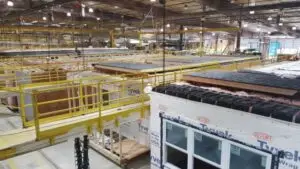
Built in a controlled factory environment, modular homes undergo rigorous quality control measures. This setting protects materials from weather damage and ensures consistent quality throughout the construction process. Precision engineering and advanced technology enhance the structural integrity of modular homes, making them durable and reliable.
Efficiency and Speed
Modular construction significantly reduces the building timeline. While site preparation occurs, modules are constructed simultaneously in the factory. This parallel process cuts the overall construction time in half compared to traditional methods. Additionally, factory construction eliminates weather-related delays, ensuring a timely completion.
Sustainability
Modular homes are designed with sustainability in mind. They feature high-quality insulation, energy-efficient windows, and advanced HVAC systems that reduce utility costs and environmental impact. Many modular homes also incorporate sustainable materials, contributing to a greener building process.
Design Options
Production homes are built using a set of standard designs with limited customization. While they offer a quicker and often cheaper building process, they lack the flexibility that custom modular homes provide. Production homes are ideal for buyers looking for a move-in-ready option with fewer decisions to make, whereas custom modular homes cater to those who desire a personalized space.
Construction Quality
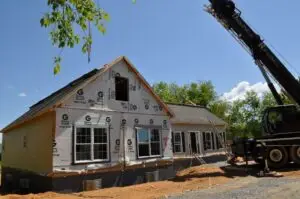
The quality of production homes can vary significantly based on the builder and materials used. Since they are constructed on-site, production homes are susceptible to weather delays and material exposure, which can impact the final quality. In contrast, custom modular homes benefit from the controlled factory environment, ensuring high-quality construction and materials protected from the elements.
Cost Considerations
Production homes are generally less expensive upfront due to their standardized building process and bulk purchasing of materials. However, custom modular homes, while potentially more costly initially, offer long-term savings through energy efficiency and reduced maintenance costs. The predictability of modular construction costs also helps avoid unexpected expenses.
Speed of Construction
Both custom modular and production homes offer quicker construction times compared to traditional custom homes. However, modular homes typically have the edge due to the efficiency of factory construction and the elimination of weather-related delays. Buyers looking to move into their new home quickly may find modular construction particularly appealing.

Assessing Needs and Preferences
Realtors should start by understanding their clients’ needs, budget, and timeline. Discussing the pros and cons of custom modular and production homes can help buyers clarify their priorities. For clients seeking a highly personalized home with modern features and energy efficiency, custom modular homes are an excellent choice. For those who prefer a quicker, more straightforward process with less customization, production homes may be more suitable.
Exploring Options
Introduce clients to various modular home manufacturers and production home builders. Providing virtual tours or 3D renderings of available designs can help buyers visualize their future home. Encourage clients to consider how different layouts and features will accommodate their lifestyle and future needs.
Addressing Concerns
Realtors should address any concerns clients may have about modular homes, such as quality, resale value, and financing options. Explaining the benefits of modular construction, including its efficiency, sustainability, and customization potential, can help alleviate apprehensions. Sharing testimonials and case studies of satisfied homeowners can also build confidence.
Innovative and Sustainable
The shift towards modular construction represents a significant change in the real estate industry. As technology advances and environmental concerns grow, the demand for efficient, customizable, and sustainable housing solutions will continue to rise. Modular homes offer an ideal solution, combining modern design with practical benefits.
Resilience and Durability
Modular homes are built to withstand transportation and assembly, resulting in a stronger, more durable structure. This resilience makes them a smart long-term investment for homebuyers.
Healthy Living Environments
Newly built modular homes often incorporate features that promote healthy living, such as improved indoor air quality, low-VOC materials, and advanced ventilation systems. These features are particularly appealing to buyers with health concerns or young children.
Custom modular homes offer homebuyers the best of both worlds: the personalization of a custom home with the efficiency and quality of factory construction. Realtors can guide their clients by comparing the benefits of modular and production homes, helping them make an informed decision that meets their unique needs and preferences. As the future of real estate continues to evolve, modular construction stands out as a modern, sustainable, and resilient choice for discerning homebuyers.